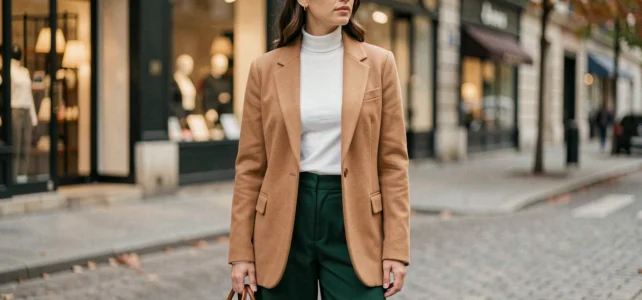
The autumn-winter 2026 fashion is built on a paradox: collections arrive in stores while the rules of the game change behind the scenes. Since July 19, 2026, the European Union has prohibited large companies from destroying their unsold new clothing, shoes, and accessories. This regulatory constraint reshapes how brands design, produce, and sell their seasonal collections.
The fashion trends of this season bear the mark of this context: fewer references, tighter palettes, and pieces designed to last beyond a single cycle.
European Regulation and Fashion: What Changes for the 2026 Collections
Regulation (EU) 2024/1781, known as ESPR, now requires companies to publicly report the number and weight of destroyed products, the reasons for this destruction, and the type of treatment applied to the waste. This forced transparency pushes brands to extend the commercial lifespan of their pieces: extended sales, outlet restocks, donations, or creative recycling gradually replace disposal.
The next milestone is the digital product passport (DPP), with the European delegated act expected in 2027, and compliance required around 2028-2029. Each garment will need to incorporate, via a QR code, information about fiber composition, manufacturing countries, and chemical certifications. Brands anticipating this timeline are already reducing the number of models per collection to manage the traceability of each piece.
This tightening of the offer has a direct effect on what you find in stores this season. Rather than multiplying micro-trends, several brands are concentrating their collections around smaller product families designed to combine with each other and span multiple seasons. Observing fashion trends on Le Comptoir de Violette allows you to gauge how this logic translates into the selections offered to consumers.
Autumn 2026 Palette: The Colors That Structure a Seasonal Look
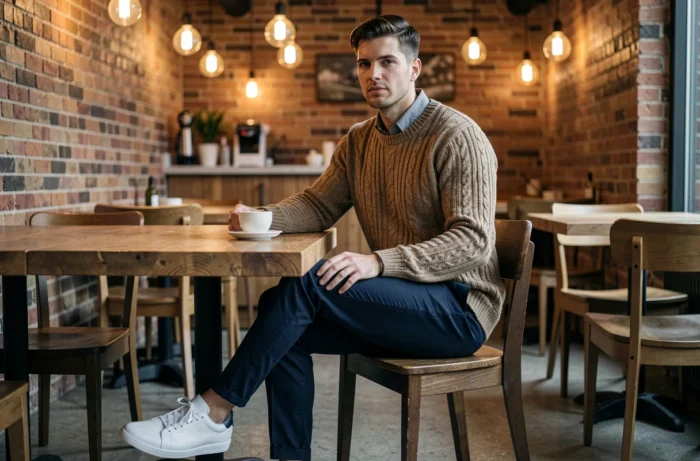
The dominant palette this autumn is anchored in earthy and warm tones. Bordeaux emerges as the most visible color in shop windows. It works equally well on a structured blazer, a thick knit, or a midi skirt.
Around this flagship shade, three hues complete the spectrum:
- Chocolate, which replaces classic black on outerwear (leather jackets, long coats, boots) and adds depth without the austerity of total black.
- Ecru, used in contrast on knits, shirts, and accessories, which lightens autumn silhouettes without falling into winter white.
- Kaki, present on cargo pants, parkas, and overshirts, which extends the workwear influence observable for several seasons.
This restricted palette facilitates combinations. Four colors are enough to create a coherent wardrobe for the entire season, aligning with the logic of reducing the number of pieces imposed by the regulatory context.
Key Pieces and Silhouettes: Blazer, Jeans, and Layering
Three categories of clothing are in focus this season. The blazer, first, remains the most versatile piece in the autumn wardrobe. Worn over straight jeans or fluid trousers, it structures an outfit effortlessly. Slightly oversized cuts dominate, with natural shoulders rather than marked ones.
Straight jeans return to the center of the wardrobe. After several seasons of very wide cuts, mid-rise straight jeans establish themselves as the basic piece for the new season. They can be worn with both ankle boots and loafers, and their cut transitions seamlessly from the office to the weekend.
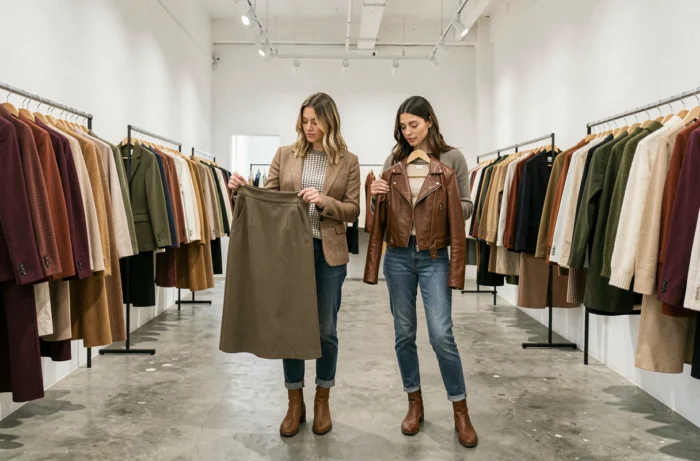
Layering, finally, defines the autumn 2026 silhouette. Flannel or wool overshirts are worn open over a fine turtleneck. Sleeveless vests add an intermediate layer that plays with volumes. This layering logic allows for adapting outfits to temperature variations, but it also serves a stylistic purpose: creating visual depth with simple pieces.
Leather as a Common Thread
Leather (and its plant-based or synthetic alternatives) spans several categories this season: short jackets, straight pants, midi skirts, structured bags. It adds structure to fluid silhouettes and works particularly well in the chocolate and bordeaux tones mentioned above.
Field reports vary on the actual durability of plant-based leathers made from cactus or grape compared to animal leather. Their resistance to wear over several seasons remains a question mark, which deserves attention if you are investing in a strong piece.
Building an Autumn 2026 Look Without Multiplying Purchases
The most effective approach this season is to focus on five to six combinable pieces rather than impulse buys. A blazer in a neutral tone, straight jeans, a turtleneck knit, an overshirt, a pair of ankle boots, and a structured bag cover almost all everyday situations.
Prints remain discreet this season. Fine checks on shirts and bandana patterns on accessories add relief without imposing a strong trend. A printed scarf is often enough to personalize an outfit made up of basics.
- Favor seasonal materials that gain comfort over time: merino wool, brushed cotton, flannel.
- Test the three-layer rule (fitted base, structured intermediate layer, outer piece) to adjust the silhouette according to the weather.
- Check the composition and origin on the label: brands committed to preparing the DPP already display this information in detail.
The label becomes a selection criterion as much as the cut or color. The autumn 2026 collections reflect a transition where fashion and regulation move in the same direction. The most relevant pieces of the season are not those that follow a fleeting trend, but those whose production and durability withstand closer scrutiny.