What criteria allow us to distinguish a sustainable creative trend from a mere fad in 2026? Between new regulatory obligations on AI-generated content, the rise of eco-responsible practices, and the repositioning of handmade in the face of digital, the world of creation is undergoing a period of reconfiguration. This article measures the gaps between these dynamics to identify what truly structures the creative landscape this year.
AI-assisted creation and artisanal creation: regulatory framework and legal status
The distinction between a hand-made work and an AI-generated visual is no longer just aesthetic. Since August 2, 2026, Article 50 of Regulation (EU) 2024/1689 (AI Act) requires that any image, video, audio sequence, or text produced by an AI system be identifiable as artificial content. This marking is done through a digital watermark or machine-readable provenance metadata.
Systems already on the market have a technical deadline until December 2, 2026 to comply. This obligation falls on the providers of generative tools, not on the creators themselves, but it alters the value chain for anyone selling, publishing, or disseminating visuals.
The CSPLA report of July 16, 2026, also introduces a legal distinction that directly concerns independent creators and designers. It separates two categories:
- Hybrid production, where the human retains creative direction (choice of contextual prompts, selection from iterations, retouching, integration into a larger project). This type of production can, under certain conditions, fall under copyright.
- Synthetic production, entirely delegated to the machine without significant human intervention. This content does not benefit from copyright protection under the current French framework.
- The European Commission has opened a public consultation (closing on September 11, 2026) on the use of AI in the cultural sector, indicating that this framework is still under construction.
For those following these developments over time, MYN Idee articles regularly document the intersections between creation, trends, and news in the sector.
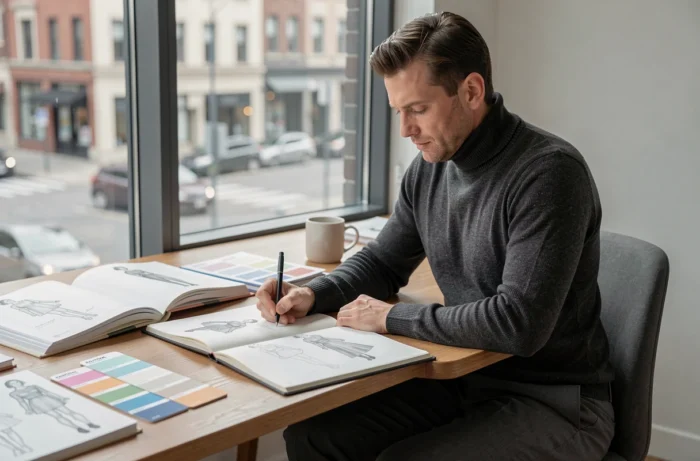
Comparison table: creative trends 2026 according to their grounding
The trends circulating on social networks and at trade shows do not all share the same degree of maturity or the same driving force. The table below contrasts three structural axes identified this year.
| Creative axis | Main driver | Regulatory status | Estimated sustainability |
|---|---|---|---|
| AI-assisted creation (visuals, texts) | Productivity gains, rapid experimentation | AI Act – mandatory marking since August 2026 | Long-lasting, but regulated |
| Eco-responsible DIY (upcycling, natural materials) | Environmental values, slowing down | No specific constraints | Deep cultural grounding |
| Textile personalization and artisanal journaling | Search for personal expression | No specific constraints | Cyclical, linked to seasons and trends |
The first axis is distinguished by a strong legal constraint that did not exist a year ago. The other two rely on older socio-cultural dynamics, less likely to be disrupted by regulatory changes.
DIY and upcycled materials: what has changed in practices
The use of upcycled materials and second-hand items in creative projects is not new. What is evolving in 2026 is the place these practices occupy in daily life. Handmade is becoming an alternative mode of consumption, not just a weekend hobby.
Creators now prioritize natural materials with visible textures (raw wood, linen, clay, jesmonite). The goal is no longer to reproduce a smooth industrial finish, but to embrace the trace of the gesture. This orientation is found in both interior decoration and textile design.
In contrast, textile personalization (embroidery, natural dyeing, clothing customization) follows a shorter cycle. It experiences peaks of interest linked to seasons and events (back to school, holidays), without establishing itself in the same way within sustainable habits.
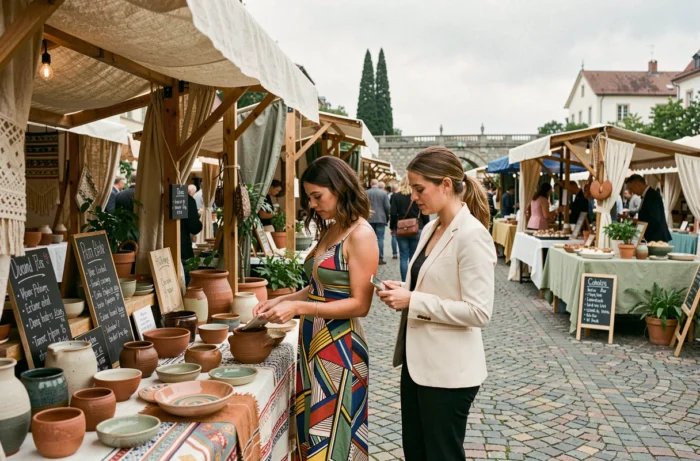
AI marking and transparency: the concrete impact for independent creators
A creator using Midjourney or DALL-E to generate a cover visual, an online store illustration, or promotional content must now ensure that the tool they are using incorporates the marking required by the AI Act. The obligation lies with the tool provider, not the end user, but in case of a dispute over the originality of a work, the traceability of the creation process becomes a piece of evidence.
The hybrid/synthetic distinction from the CSPLA report has a direct practical consequence. A designer who documents their creative choices (selection of prompts, manual retouching, integration into a larger project) positions themselves on the side of hybrid production. Those who publish a raw result without significant intervention risk not benefiting from copyright protection.
For platforms selling creations (like Etsy or online artisan markets), this distinction could ultimately change the criteria for product acceptance. The documentation of the creative process becomes a legal asset as much as an artistic one.
Sustainable creation and digital creation: two logics that coexist
The creative landscape of 2026 is not limited to a choice between all-digital and a return to handmade. Both logics coexist, sometimes within the same creator. An illustrator may use AI to explore visual avenues and then create the final version in watercolor. A textile designer may scan hand-painted patterns to adapt them for digital printing.
What distinguishes the most robust practices is their ability to articulate these two registers without sacrificing traceability or creative intent. The European regulatory framework pushes in this direction: transparency about the origin of content is becoming a standard, not an option.
The coming months, with the technical compliance deadline set for December 2026, will show whether generative tools adapt quickly enough to remain allies of independent creators, or if the cost of compliance reserves them for industrial players.